-
- Park Overview
- What to do/see
- Conservation & Community
- Rules & Regulations
- African Parks
- Donate
- Contact Us
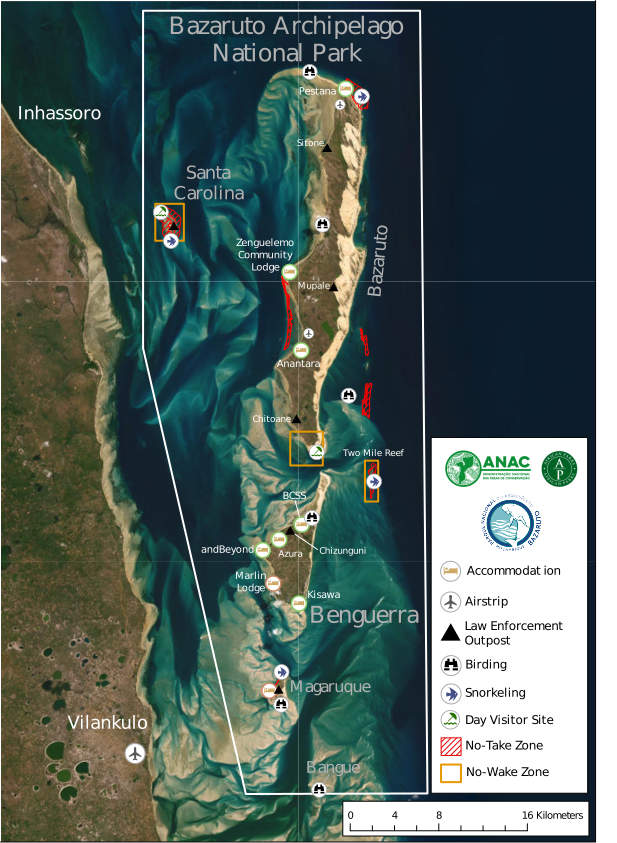
Bazaruto Archipelago is one of the most important marine sanctuaries along the East African coastline, with a range of critical habitats for many rare and endemic species. In addition to being in an ecologically rich tropical zone, its varied marine habitats contribute to an outstanding wealth of species, including ~500 marine and coastal mollusc species, ~500 fish species and ten marine mammal species, including whales, dolphins and the dugong. Migratory species move through the park’s productive marine environment, such as whale sharks, great white sharks, manta rays and killer, southern right and humpback whales.
The archipelago’s reefs are a valuable resource as they are an isolated node of reef development between the limited reefs in southern Mozambique and South Africa and the more extensive coral reefs north of Beira.
You are able to discover all these extraordinary habitats – on land and sea! Speak to your lodge manager or our park officials to learn more about the activities on offer.
.jpg)
.jpg)
.jpg)
.jpg)
.jpg)
.jpg)
.jpg)
.jpg)
.jpg)
Bazaruto offers a variety of tourist activities, especially centered around its stunning islands. Here's a list of popular activities to consider while visiting:
Dhow Safaris
Snorkeling and Diving
Fishing Charters
Horseback Riding on the Beach
Sunset Dhow Cruises
Local Market Visits
Cultural Tours
Kitesurfing and Windsurfing
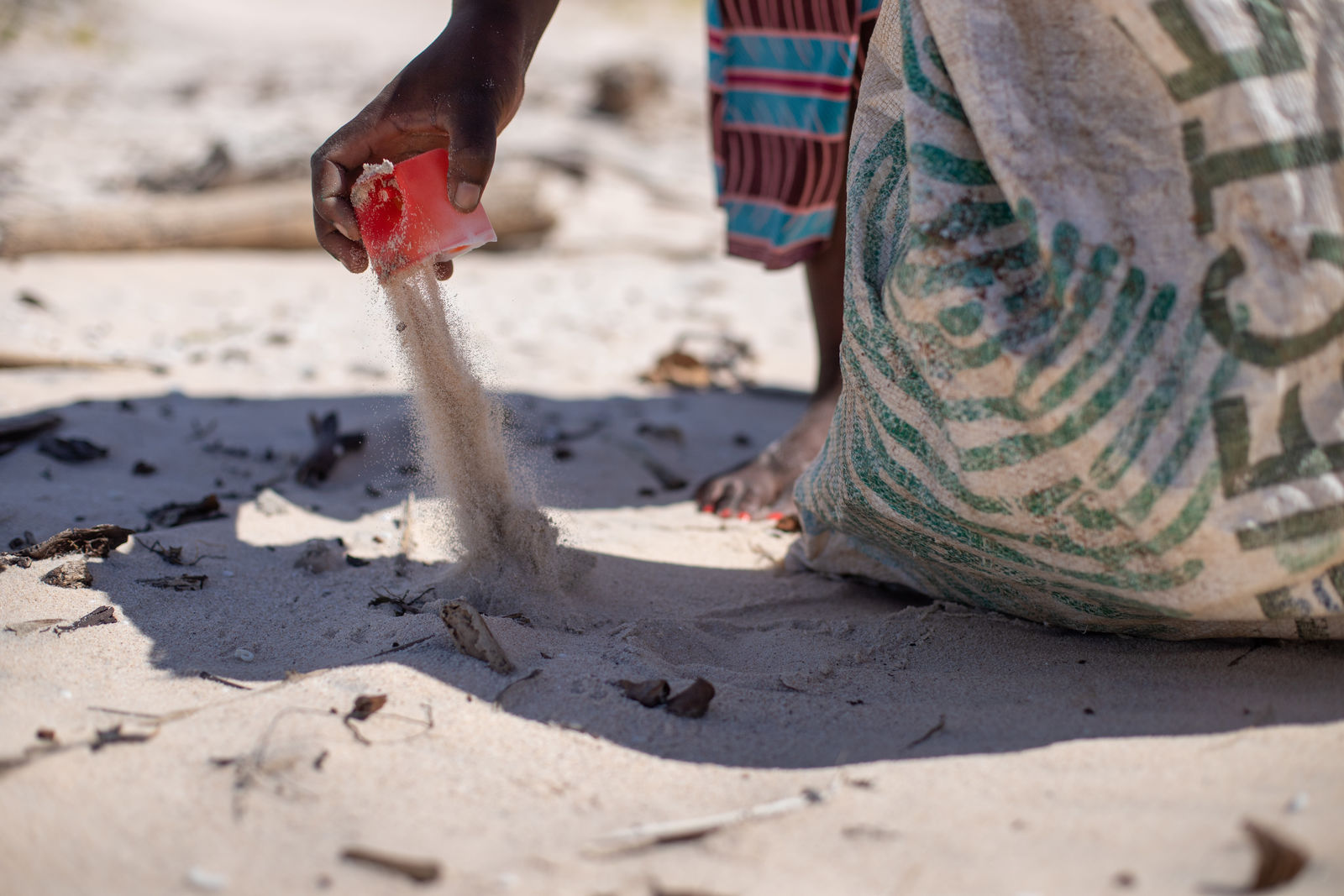
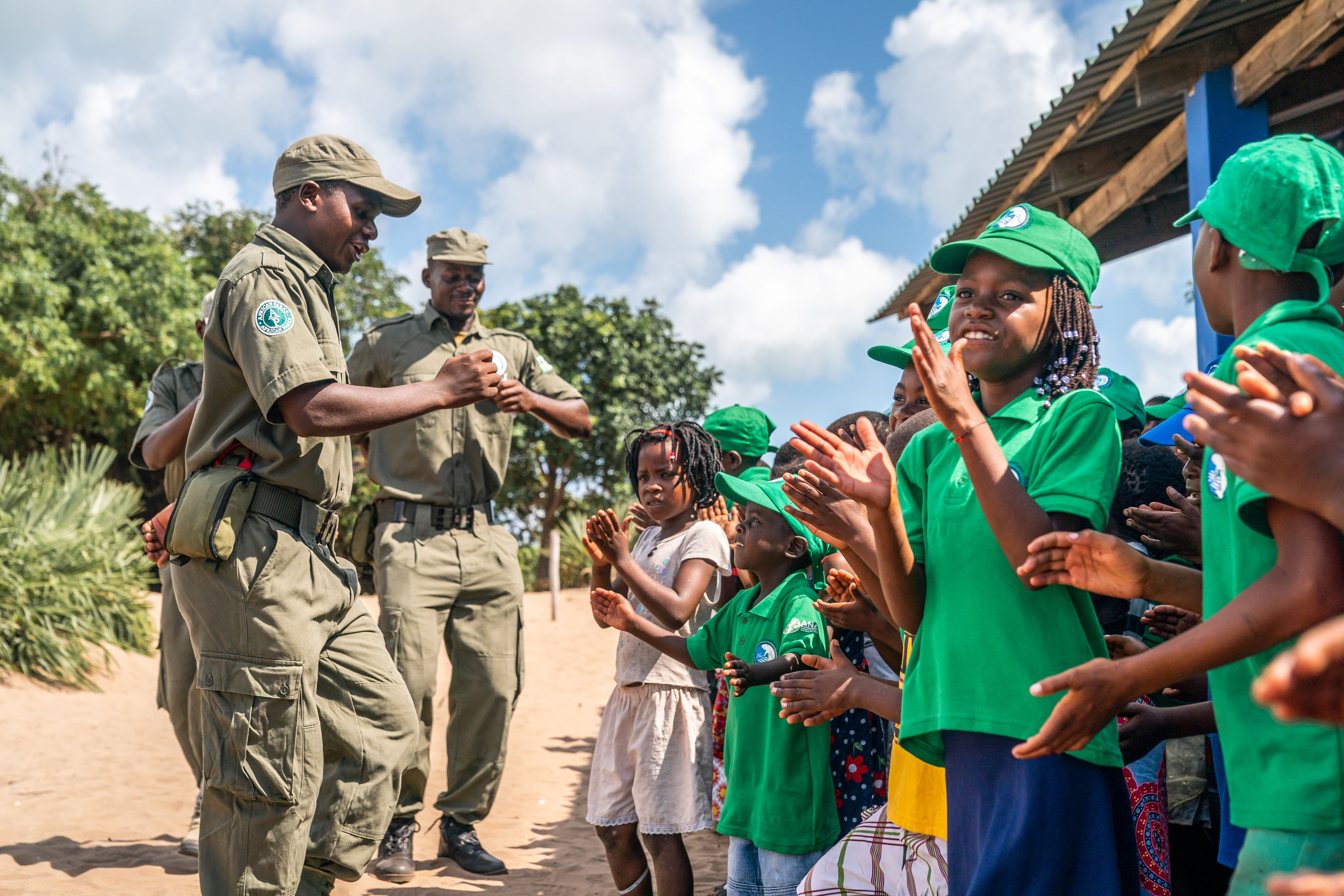
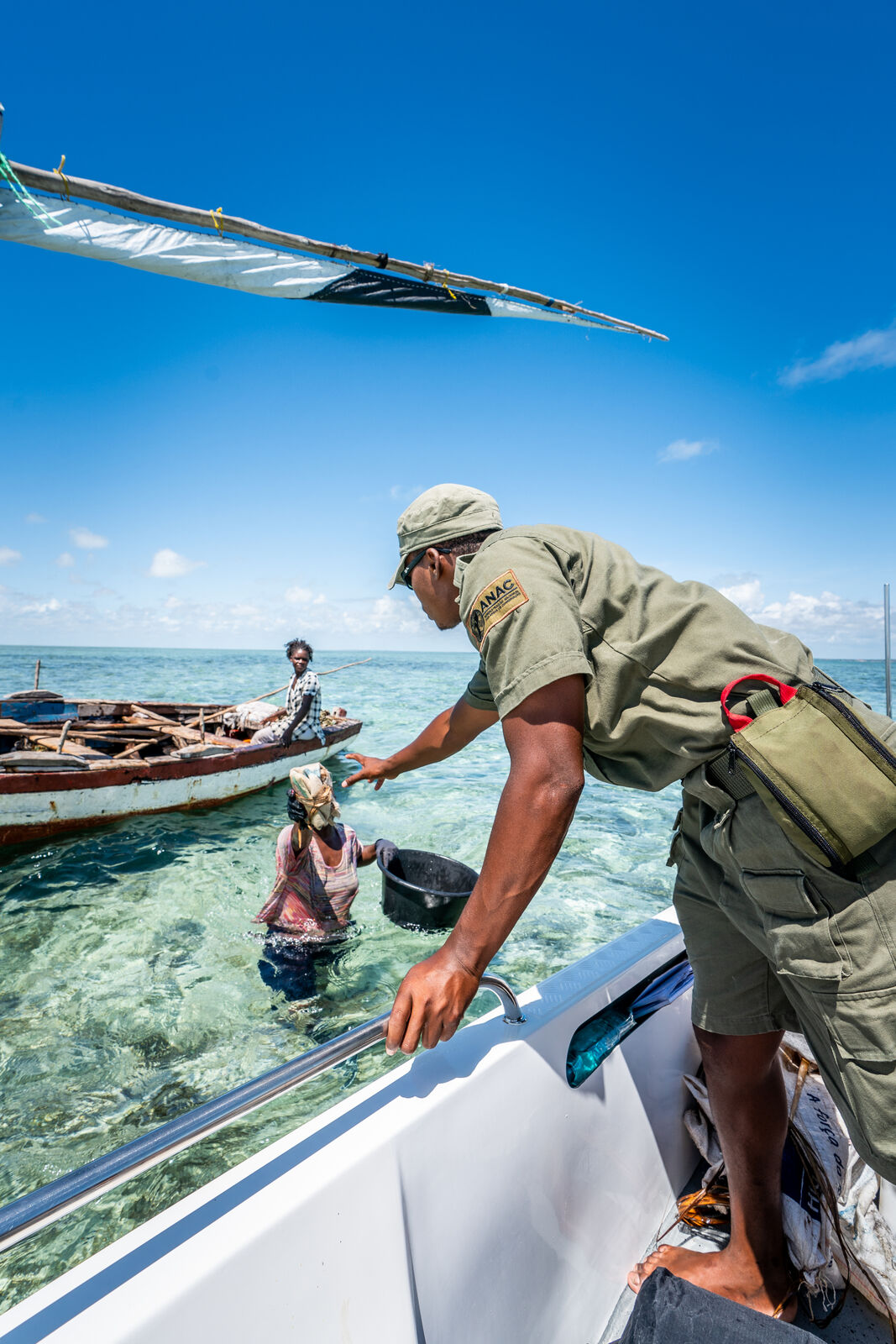
Historically, the area has suffered from overuse of natural resources, illegal fishing, and unregulated tourism, harming biodiversity and local livelihoods. However, effective management by African Parks in the last five years has shown promising results. Collaborative efforts with communities, tourism operators, and government partners are paving the way for a more sustainable future. Key achievements include:
-large.jpg)
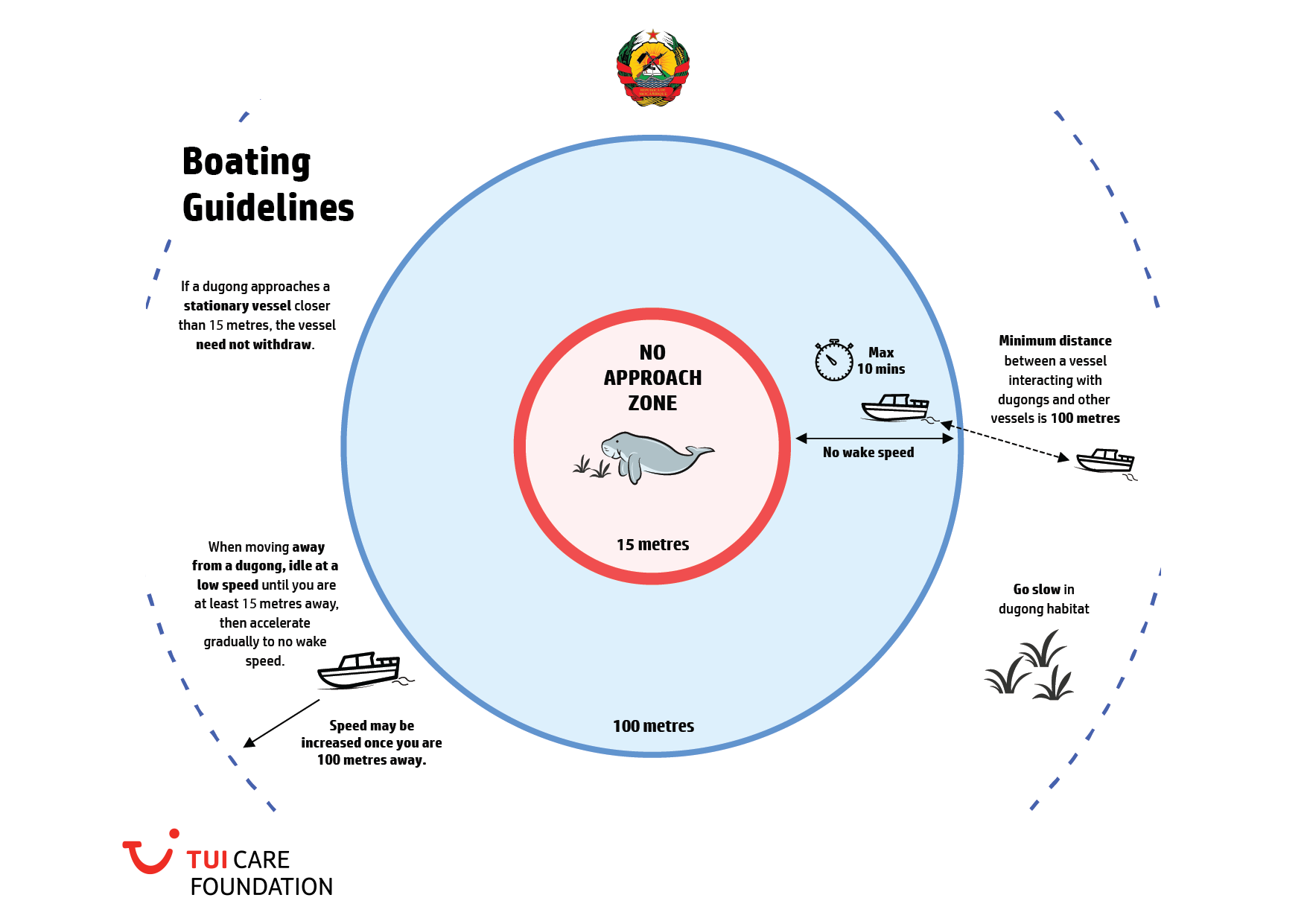
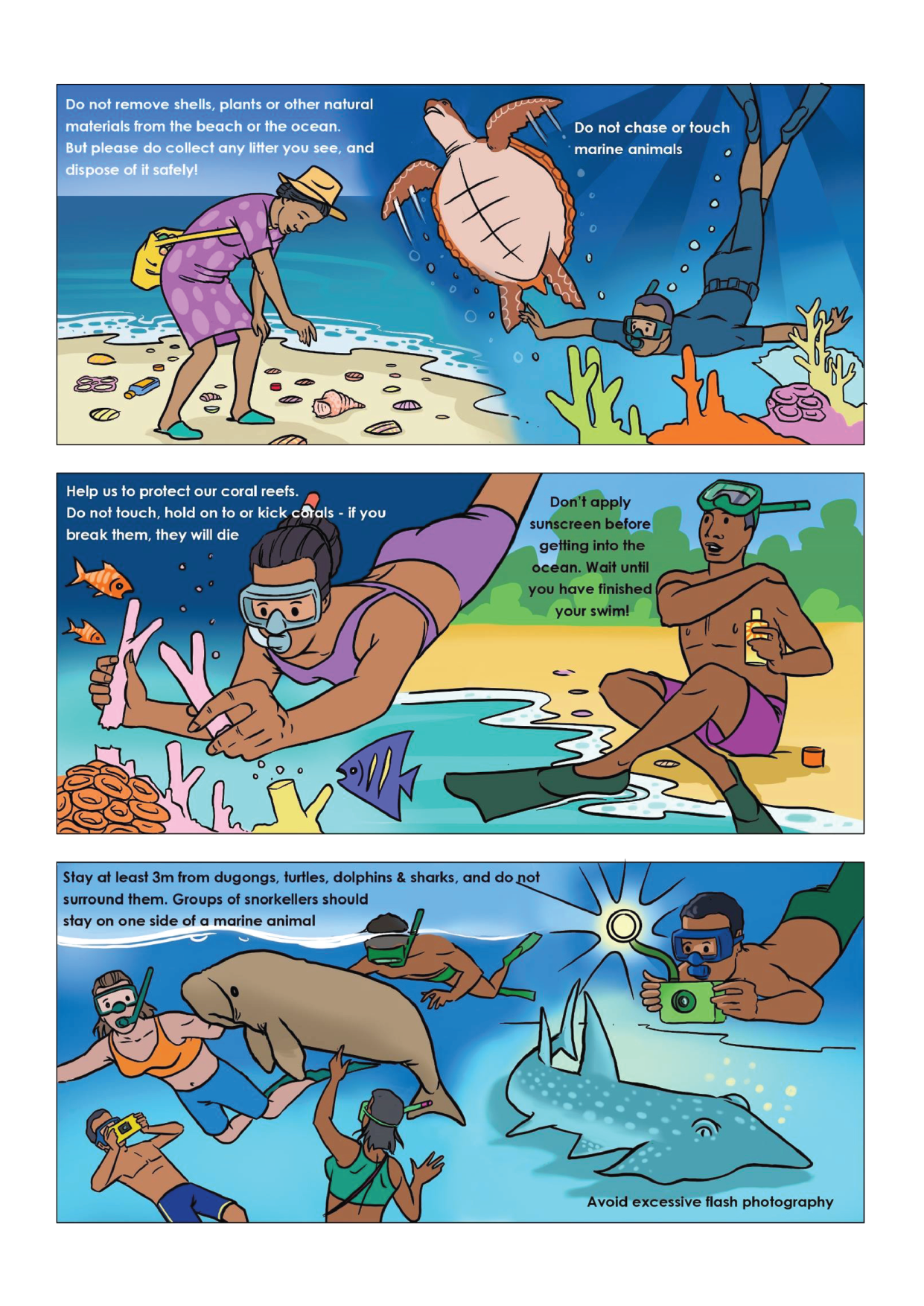
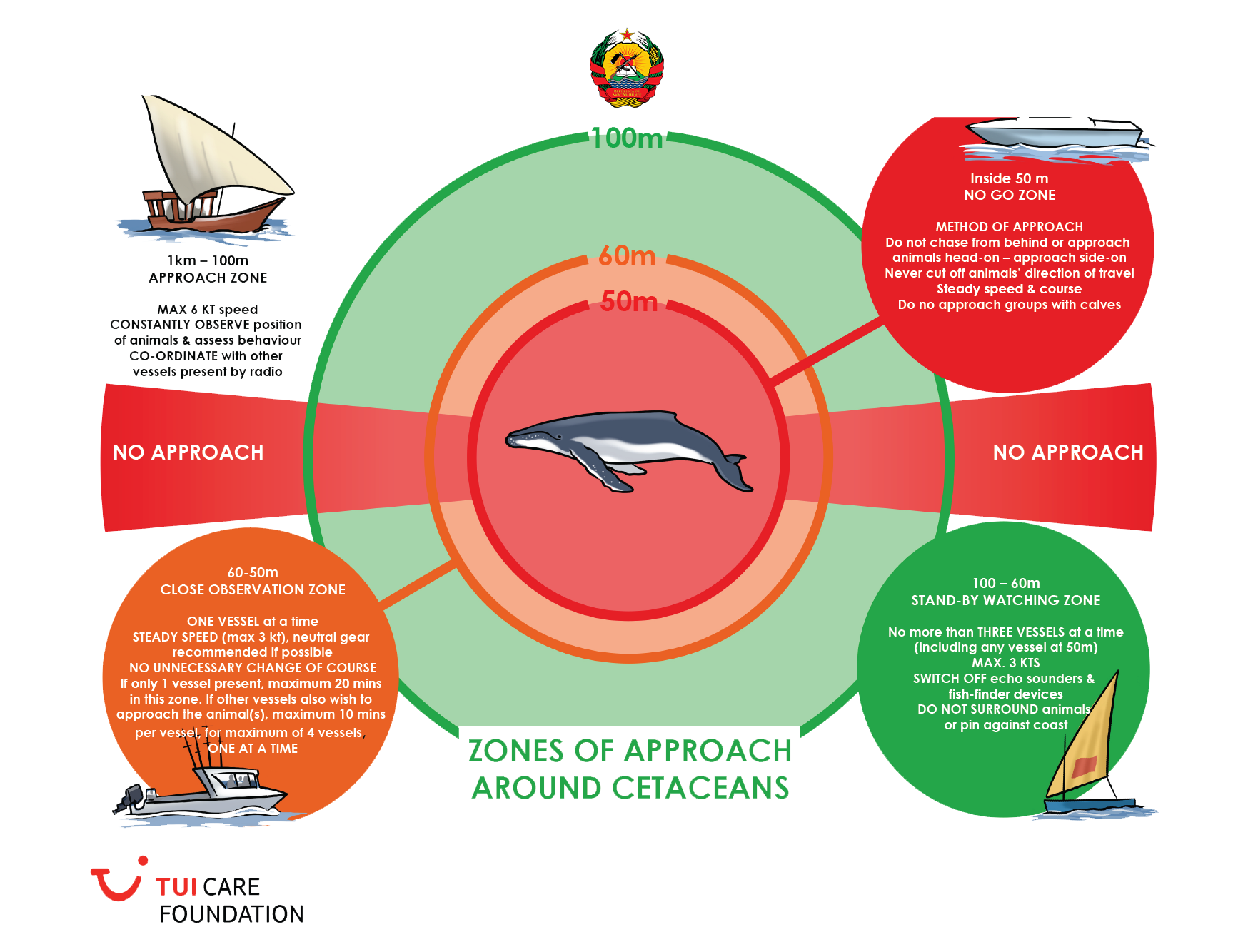
We work hard to keep our marine habitats and wildlife safe and healthy. As such please read our rules and regulations, which are also intended for your safety. While the following rules apply throughout your stay, you will also find below links to rules and regulations of various activities for you to navigate at your convenience.
African Parks is a non-profit conservation organisation that takes on responsibility for the rehabilitation and long-term management of national parks in partnership with governments and local communities. African Parks manages 22 national parks and protected areas in 12 countries covering over 20 million hectares in Angola, Benin, Central African Republic, Chad, the Democratic Republic of Congo, Malawi, Mozambique, the Republic of Congo, South Sudan, Rwanda, Zambia and Zimbabwe.

African Park’s focus is on strengthening conservation law enforcement to mitigate threats and build support for the park through community engagement and development. Continued conservation monitoring and research, infrastructural development and skills-based training to uplift the community and enhance the sustainability of the park. Help us maintain and strengthen this vital work in Bazaruto by donating to African Parks today.
If you have any questions, suggestions, or would like to collaborate on a conservation project, please don't hesitate free to contact the Park Management team at: Bazaruto@africanparks.org